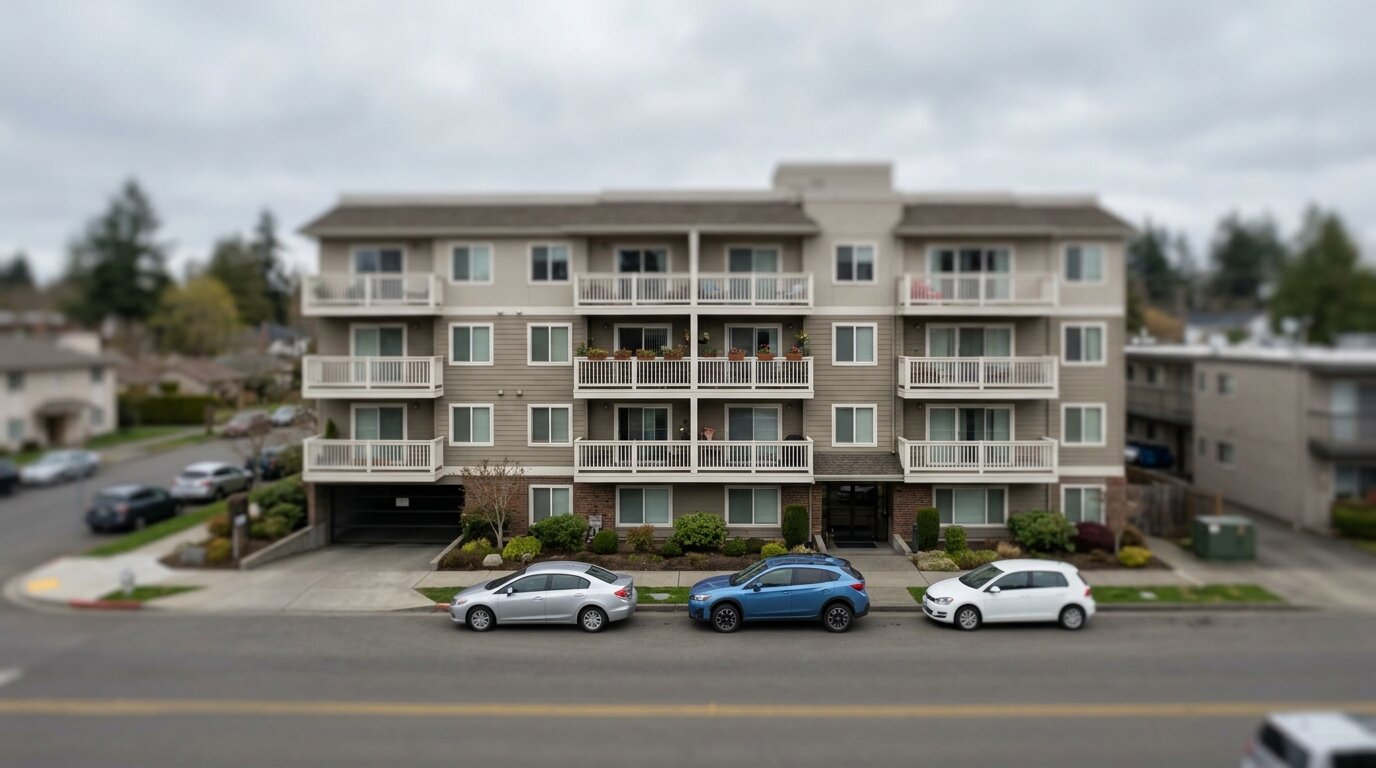
HO-6 Condo Insurance vs. Renters Insurance
Compare what HO-6 and renters insurance cover for a unit and personal belongings.

Key takeaway
Use comparable quotes and policy documents to evaluate homeowners insurance for your property.
There is no universal homeowners insurance price. A dependable comparison starts with written quotes that use the same property, dwelling amount, deductible, policy period, and requested coverage terms.
TL;DR: Do not treat a national average or another homeowner's premium as your quote. Compare like-for-like offers and read the policy documents that explain the dwelling coverage, settlement basis, deductible, conditions, and endorsements for your property.
A published average cannot account for the property and policy terms in your own application. It may use a different address, dwelling amount, deductible, coverage form, effective date, or set of assumptions. Use it only as a prompt to request a written quote, not as a prediction or promise.
When comparing offers, keep the requested terms the same. If one quote changes the dwelling amount, deductible, coverage form, or endorsement, mark that difference before deciding which price is lower.
The amount you select should be reviewed with the policy's settlement basis and the information used to estimate the property. The NAIC distinguishes actual cash value from replacement cost and explains that depreciation can affect an actual-cash-value payment. The policy language controls the settlement method and applicable conditions. Read the NAIC explanation of actual cash value and replacement cost.
Do not assume that changing the dwelling amount creates a fixed percentage change in premium. Request a revised written quote that keeps the other policy terms visible so you can compare the coverage and the price together.
Give each insurer or licensed producer the same property information and coverage request. Ask each quote to identify:
Keep the documents with the quote. If a provider cannot explain a difference in writing, ask for the policy form or a written clarification before making a comparison.
A deductible is a cost-sharing term in the policy. Before changing it, ask the provider to show the revised quote and explain which policy terms use that deductible. Consider the price alongside the amount you could pay from your own funds after a covered loss subject to the deductible.
Do not assume a fixed dollar saving from changing a deductible. The relevant comparison is the written offer for your property and requested coverage.
Read the renewal offer with the prior policy documents. Compare the dwelling amount, deductible, coverage form, endorsements, effective date, and any terms the provider highlights as changed. Ask for a written explanation of any term you do not understand.
For a state-specific question, contact your state insurance department or a qualified insurance professional. A national article cannot determine the policy terms or requirements that apply to your property.
A national average does not predict the premium for your property. Request comparable written quotes that use the same address, dwelling amount, deductible, policy period, and requested coverage terms.
Do not rely on a national percentage increase to explain your renewal. Ask the insurer to identify the terms and information used for your quote or renewal, then review the policy documents that apply to your property.
Do not infer a fixed relationship between a dwelling amount and premium. Ask for revised written quotes using the same policy terms, then compare the coverage basis, deductible, forms, and price together.
A national state ranking is not a substitute for a quote for your address and property. Compare written offers available for the same requested coverage in your location.
There is no single universal factor that predicts every premium. Ask the insurer which property and coverage information it used, and keep the terms consistent when comparing quotes.
Use comparable written quotes and the policy documents behind them. The price matters, but the dwelling amount, settlement basis, deductible, conditions, and forms are what show what you are comparing.
Compare what HO-6 and renters insurance cover for a unit and personal belongings.
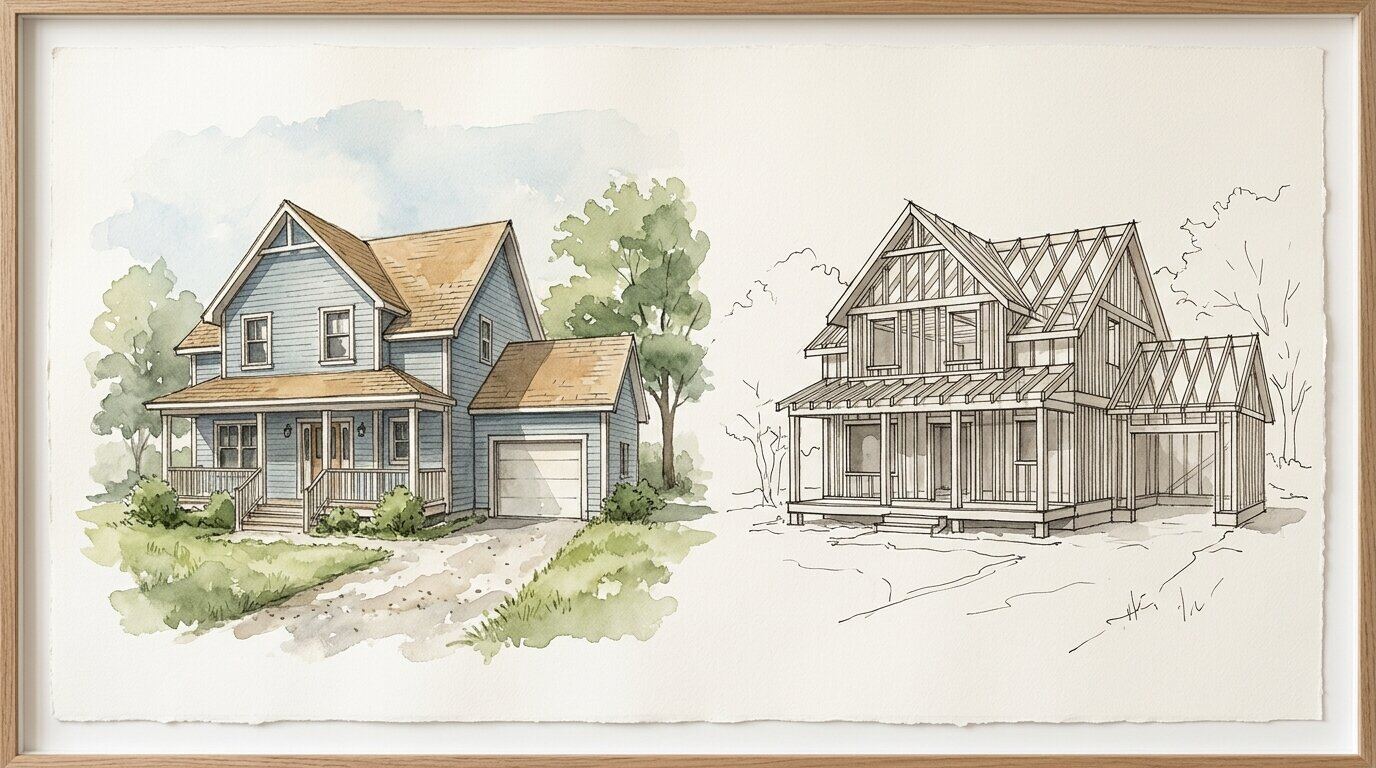
Compare rebuild cost and market value, and learn why a low dwelling limit can reduce a claim payout.

A practical guide to reviewing homeowners policy documents and settlement concepts.