
How Much Is Homeowners Insurance? 2026 Average Costs
Use comparable quotes and policy documents to evaluate homeowners insurance for your property.
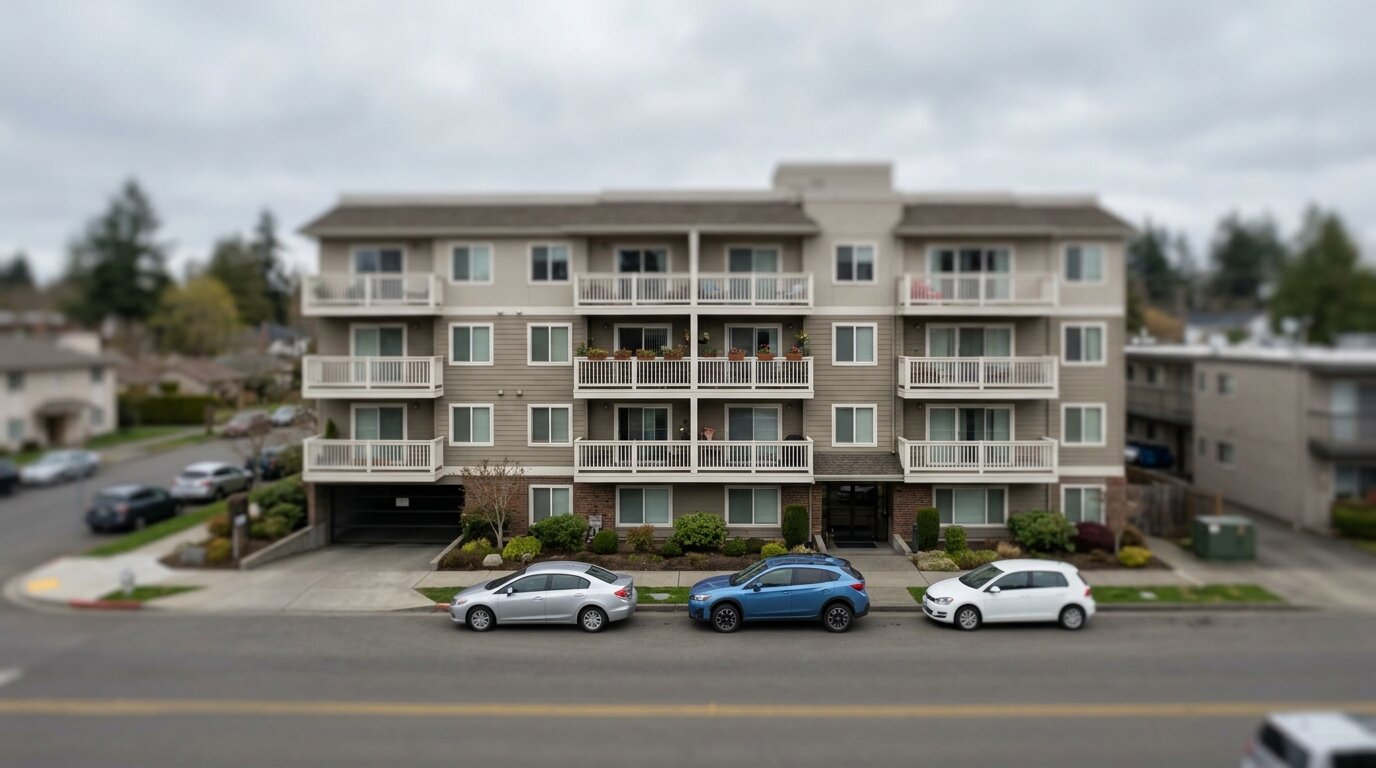
Key takeaway
Compare what HO-6 and renters insurance cover for a unit and personal belongings.
A condo owner and a renter can live in the same building and still have different insurance questions. The condo owner must account for the relationship between an individual policy, the association’s master policy, and the governing documents; a renter should review a renters policy and the applicable property documents.
TL;DR: In Washington’s consumer guidance, a condo owner buys an individual policy often called HO-6 while association dues support a community master policy (Washington Office of the Insurance Commissioner). The master policy, governing documents, and individual policy determine what the owner needs. A renter should review a renters policy for the renter’s own insured interests and the applicable property documents.
Washington’s insurance regulator explains that a condo owner buys an individual policy, sometimes called an HO-6 policy, while owner dues support a community master policy for certain community losses (Washington Office of the Insurance Commissioner). The two policies work together, but their respective responsibilities come from the policy terms and the association’s governing documents.
The community master policy provides coverage for certain losses to the community. The Washington guide directs unit owners to the governing documents to determine coverage for the individual condo structure, so do not infer the answer from the policy label alone (Washington Office of the Insurance Commissioner).
The scope of the master policy can affect the unit owner’s coverage decision. Start with the governing documents and master-policy information before setting an individual limit.
Washington’s Office of the Insurance Commissioner describes three master-policy approaches: all-in, all-in excluding improvements or betterments, and bare walls (Washington Office of the Insurance Commissioner). This is Washington-specific consumer guidance; obtain and read your association’s governing documents and master-policy information for the controlling answer.
The Washington guide uses the labels to show why the governing documents matter. Under the guide’s bare-walls example, unit owners are responsible for the community deductible and all interior finishes. The treatment under another master-policy form, in another state, or under a different association’s documents can differ (Washington Office of the Insurance Commissioner).
Every condo owner should confirm the governing documents and master-policy scope before setting an HO-6 building-property limit. Renovations and improvements deserve explicit review against those documents.
Washington’s insurance regulator says loss-assessment coverage may help pay a special assessment an association charges its members for losses the community sustained (Washington Office of the Insurance Commissioner). The association documents and both policy forms determine whether a particular assessment or deductible is covered.
Before relying on loss-assessment coverage, ask the insurer how the individual policy treats an association assessment and the master-policy deductible. Keep the written answer with the policy and governing documents.
The products address different interests. A condo owner needs to compare the individual policy against the association documents; a renter should focus on their own insured interests rather than the condominium structure.
| Coverage | HO-6 (Condo Owner) | Renters Insurance (HO-4) |
|---|---|---|
| Who it addresses | A condo unit owner | A renter |
| Building/interior question | Determined by the master policy and governing documents | Review the renters policy and applicable property documents |
| Personal-property and liability question | Review the individual policy | Review the renters policy |
| Loss assessment | May be available under the individual policy | Ask the insurer and review the applicable documents |
| Documents to start with | Individual policy, master-policy information, and governing documents | Renters policy and lease |
The governing documents are central for a condo owner because they identify the community’s and unit owner’s responsibilities. A renter’s policy should be reviewed for the renter’s own belongings and liability. For a closer look at a full homeowners policy’s structure coverage, see what homeowners insurance covers.
Use ownership and occupancy as a starting point, then confirm the applicable policy terms. Run through this quickly:
Occupancy can change the policy that is appropriate. Confirm the occupancy description and covered interests with the insurer before relying on a policy for a tenant-related loss.
Both policy types can raise questions about personal property, liability, and additional living costs, but the exact covered property and settlement basis come from the form you buy. Compare the individual forms instead of treating the products as identical.
Actual cash value and replacement cost use different settlement approaches. See our breakdown of actual cash value vs. replacement cost and check the settlement provision in the applicable policy.
Review the liability, medical-payments, and additional-living-expense provisions in the specific policy for their conditions and limits. Those provisions should not be assumed to match across policy forms.
Read the loan agreement, governing documents, and lease that apply to the property for relevant information. Review those documents with the insurer rather than relying on a general rule about HO-6 or renters coverage.
If you're weighing how a shared deductible or a policy's own deductible works into a claim, our guide on what an insurance deductible actually is walks through the mechanics, and how to file an insurance claim covers the process once you're ready to use either policy. For a broader look at how coverage limits get set on a standard home, see how much is homeowners insurance.
This article is for general informational purposes only and does not constitute financial, legal, or insurance advice. Coverage terms, limits, and pricing vary by carrier, state, and individual circumstances. Review your own policy documents or speak with a licensed insurance agent before making coverage decisions.
Use comparable quotes and policy documents to evaluate homeowners insurance for your property.
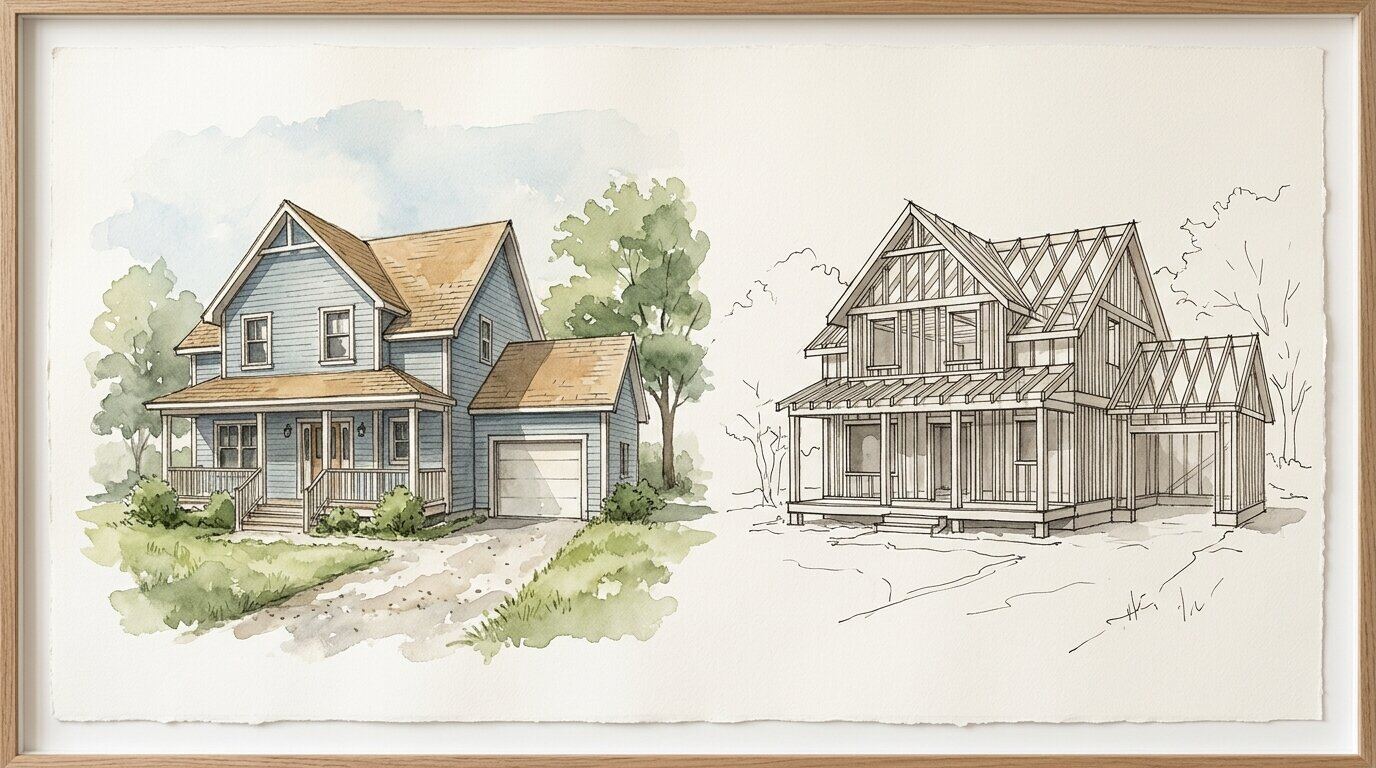
Compare rebuild cost and market value, and learn why a low dwelling limit can reduce a claim payout.

A practical guide to reviewing homeowners policy documents and settlement concepts.